Table of Contents
A dry drunk is a person who has stopped drinking or using but still thinks and behaves the way they did in active addiction. The substance is gone. The resentment, irritability, and self-centered thinking are not. The term comes from recovery communities, not from a medical diagnosis. I’m Nicholas, co-founder of Hollywood Hills Recovery, and I have been sober since July 20, 2018.
What Are the Signs of a Dry Drunk?
The signs of a dry drunk look like addiction without the substance. 6 common ones:
- Resentment toward people who “made” sobriety necessary.
- Irritability and a short temper over small things.
- Nostalgia for using, told as funny or glamorous stories.
- Dishonesty and cutting corners in daily life.
- Isolation from support and recovery commitments.
- Replacing the old substance with another compulsion, like work or spending.
Why Does It Happen?
It happens when someone removes the substance but does no work on what drove the use. Abstinence alone leaves the old coping system intact. When stress arrives, that system still reaches for escape, and the person has nothing new to reach for instead. Willpower can hold the substance back for a while. It cannot rebuild the way a person thinks, reacts, and relates to other people.
Why Is Being a Dry Drunk Dangerous?
Being a dry drunk is dangerous because it keeps relapse one bad week away. Relapse rates for substance use disorders run between 40% and 60%, according to a study published in JAMA. Dry drunk thinking is often one of the early 10 stages of relapse, appearing long before any physical return to use.
Who Else Does It Affect?
It affects everyone close to the person. Families often say their loved one stopped drinking but did not stop being difficult to live with. That frustration is real, and it is a sign the recovery work is incomplete.
How Can Families Respond to Dry Drunk Behavior?
Families can respond by naming the behavior without attacking the person. 4 approaches that help:
- Describe specific moments instead of labeling the person.
- Encourage therapy or a return to recovery support.
- Set boundaries with someone in addiction recovery around behavior you will not accept.
- Get support for yourself through family programs or groups.

How Do I Keep From Becoming a Dry Drunk?
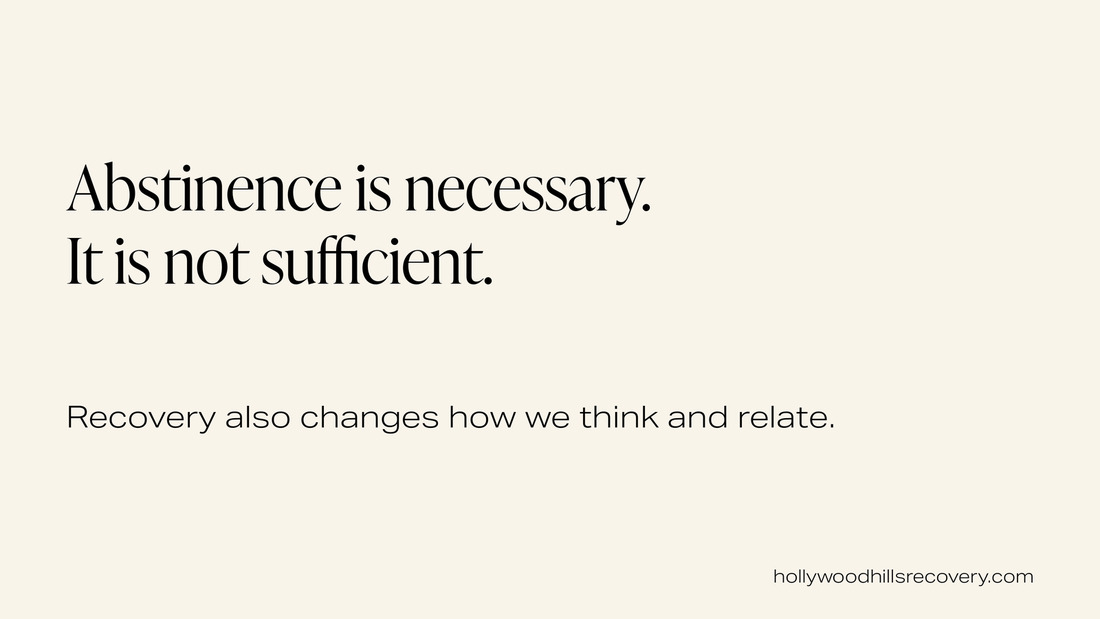
For me, the answer is action. I have devoted my life to giving back to the community, because action is what completes my journey. Not using is necessary. It is not sufficient. A person who stops there has removed the symptom and left the thinking that produced it fully intact, waiting for the next hard week.
What Does Action Mean in Practice?
Throughout the day, I’m putting in the footwork. There’s action plans for me. For most people in recovery, that footwork includes 4 commitments that change thinking, not only behavior:
- Helping people who are earlier in recovery.
- Owning your part quickly when you are wrong.
- Following a daily routine, like the one I describe in structure in early recovery.
- Staying connected to people who will tell you the truth, even when you do not want to hear it.
Why Does Community Matter Here?
Community matters because a dry drunk rarely sees the pattern in themselves. Fellowship and support in a community committed to you catches what self-assessment misses, and it gives the resentment somewhere to go besides inward.
Does Structured Recovery Work Better Than Abstinence Alone?
Structured recovery work produces better outcomes than stopping alone. Twelve-step facilitation programs produced higher rates of continuous abstinence than other established treatments across 27 studies and 10,565 participants, according to a review by Cochrane. A written relapse prevention plan adds another layer.
How Can Hollywood Hills Recovery Help?
Hollywood Hills Recovery treats the thinking behind addiction, not only the substance. Our alcohol addiction treatment includes therapy for the resentment and emotional patterns that drive dry drunk behavior. Dual diagnosis treatment addresses co-occurring conditions, and our aftercare program keeps structure in place long after discharge. Call 323-709-7856.