Table of Contents
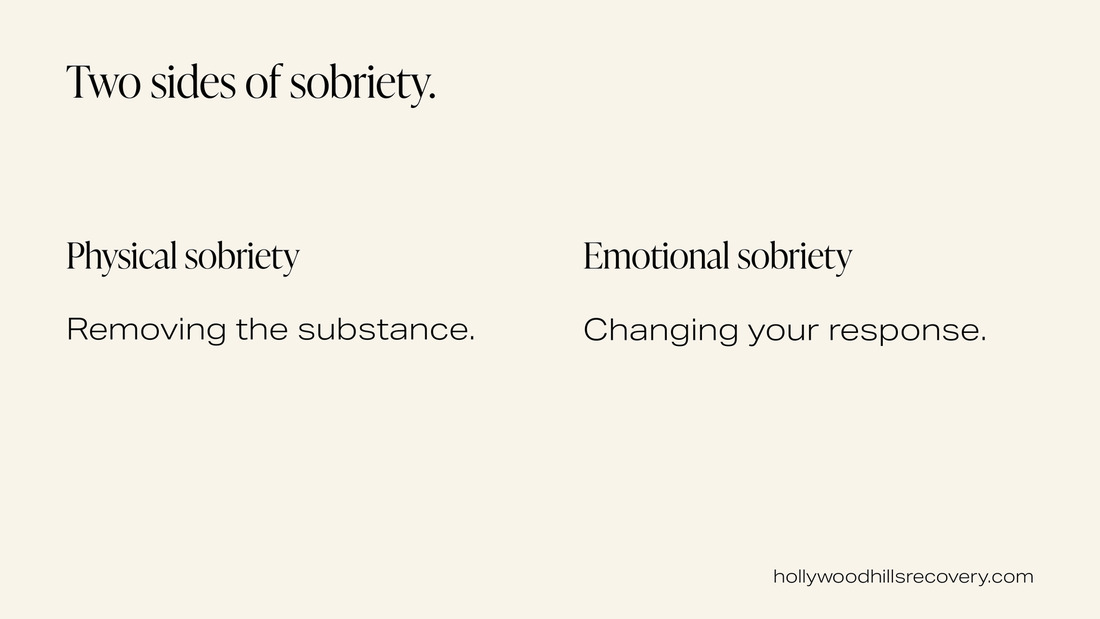
Emotional sobriety is the ability to feel difficult emotions without being controlled by them and without reaching for a substance to escape them. Physical sobriety removes the drug. Emotional sobriety changes how you respond to life once the drug is gone. I’m Nicholas, co-founder of Hollywood Hills Recovery, and I have been sober since July 20, 2018.
Where Does the Term Emotional Sobriety Come From?
The term comes from Bill Wilson, a co-founder of Alcoholics Anonymous, who wrote about it in a 1958 AA Grapevine essay titled “The Next Frontier: Emotional Sobriety.” He described staying sober for years while still being ruled by fear, dependency, and resentment. His point was that not drinking is the beginning of recovery, not the finish line, and that the harder work happens inside a person after the substance is gone.
Is Emotional Sobriety the Same as Being Happy?
Emotional sobriety is not the same as being happy all the time. It means sadness, anger, and fear can pass through without turning into a crisis or a reason to use. A person with strong emotional sobriety still has hard days. They just stop treating every hard day as an emergency.
What Are the Signs of Emotional Sobriety?
Emotional sobriety shows up as steadiness under pressure. 5 signs that someone is building it:
- Pausing before reacting to anger, criticism, or disappointment.
- Naming feelings accurately instead of acting them out.
- Accepting that other people will not always meet your expectations.
- Owning mistakes quickly without collapsing into shame.
- Staying consistent with recovery commitments on bad days.
What Does It Look Like When It Is Missing?
Missing emotional sobriety looks like a person who is not using but still lives in reaction. Mood swings, blame, and resentment run the day. That pattern is sometimes called being a dry drunk, and it leaves the door to relapse open.
What Does Emotional Sobriety Look Like in My Life?
For me, it started with understanding myself. Growing up, I had a lot of growing pains. I understood my role in life, but I just couldn’t understand me. In sobriety, the process of actually getting to know myself was really working on myself. For many people, substances fill that kind of gap by numbing the question instead of answering it.
What Happens When the Numbing Stops?
Once substances are gone, the feelings they covered come back, and people have to learn to sit with them. Emotional sobriety is the skill of feeling that discomfort without running from it. For most people, it takes considerably longer to build than physical sobriety does.
How Do You Practice It Every Day?
4 daily habits build it:
- Naming what you feel before deciding what to do about it.
- Waiting before you respond when you are angry.
- Talking honestly with people you trust instead of carrying things alone.
- Keeping a daily routine, like the one I describe in structure in early recovery.
Why Does Emotional Sobriety Matter for Long-Term Recovery?
Emotional sobriety matters because unmanaged emotions are one of the most common routes back to using. Relapse rates for substance use disorders run between 40% and 60%, according to a study published in JAMA. Stable emotions do not guarantee sobriety, but chronic emotional chaos makes it much harder to keep.
What Gets in the Way of Emotional Sobriety?
4 obstacles slow it down more than any others:
- Untreated anxiety, depression, or trauma.
- Holding resentments instead of addressing them.
- Isolating when emotions get uncomfortable.
- Measuring recovery only by days without a drink or drug.
Which Practices Build Emotional Sobriety?
3 practices consistently help people build it:
- Practicing mindfulness throughout the recovery process to notice feelings before acting on them.
- Journaling in sobriety to track emotional patterns over weeks.
- Therapy that addresses the underlying conditions, including dealing with depression during recovery.
How Can Hollywood Hills Recovery Help You Build Emotional Sobriety?
Hollywood Hills Recovery treats the emotional side of addiction alongside the physical side. Our dual diagnosis treatment addresses anxiety, depression, and trauma that often drive substance use. Residential inpatient treatment gives clients daily therapy in a stable setting, and our aftercare program keeps that work going after discharge. Call 323-709-7856.