Table of Contents
Sobriety fatigue is the mental and emotional exhaustion that sets in when staying sober starts to feel like a grind instead of a relief. It is not a clinical diagnosis. It is a common stretch of recovery, and it tends to arrive after the early excitement fades. I’m Nicholas, co-founder of Hollywood Hills Recovery, sober since July 20, 2018, and I know this stretch well.
What Does Sobriety Fatigue Feel Like?
Sobriety fatigue feels like going through the motions of recovery without feeling the reward. The effort is still required, but the payoff seems quieter than it did in the first months. The most common signs include:
- Boredom with meetings, routines, or recovery conversations.
- Resentment about the work sobriety still requires.
- Skipping small commitments and telling yourself they do not matter.
- Romanticizing the past and forgetting what using actually cost.
- Irritability that has no clear source.
How Is It Different From the Pink Cloud Ending?
Sobriety fatigue usually follows the end of the early high that people call the pink cloud. The pink cloud is a burst of relief. Fatigue is what the ordinary middle of recovery can feel like once that relief becomes normal.
Why Does Sobriety Fatigue Put Recovery at Risk?
Sobriety fatigue puts recovery at risk because it erodes the habits that protect it. Relapse rates for substance use disorders run between 40% and 60%, according to a study published in JAMA. Relapse rarely starts with a drink. It starts with a skipped commitment that nobody notices, followed by another, until the protective routine is gone and the old thinking has room to return.
How Do I Push Through Sobriety Fatigue?
I push through it with discipline. I really, really got structured. My entire life is all about having structure. There has to be discipline. If not, I’m a complete mess. I describe how I built that in structure in early recovery, so this section focuses on what discipline does on tired days.
What Does Discipline Do When Motivation Is Gone?
Discipline replaces the question “Do I feel like it?” with “Is it on the plan?” On tired days, 3 principles help:
- Keeping commitments small enough to finish even when energy is low.
- Treating a skipped commitment as a warning sign, not a day off.
- Remembering that the feeling of fatigue passes faster than a relapse does.
Why Does Accountability Matter More Than Motivation?
Accountability works when motivation runs out, because other people notice what you stop noticing in yourself. A friend, sponsor, or counselor who expects to hear from you makes quitting quietly much harder, and that small friction is often enough to get through a bad week.

What Else Helps When Recovery Feels Stale?
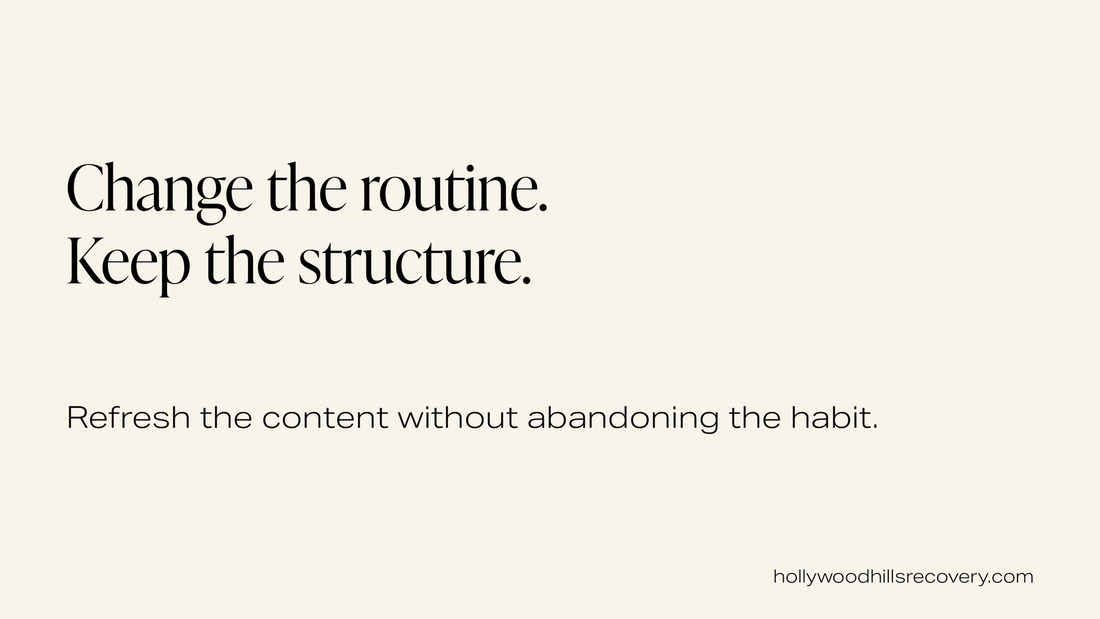
Recovery feels less stale when you change the content of your routine without abandoning its structure. 5 adjustments that work:
- Try a new meeting, therapist, or support group format.
- Set a fresh goal outside recovery, like a class or a fitness target.
- Help someone newer to sobriety than you are.
- Write down what using actually cost you and reread it.
- Say out loud that you are tired, to someone who understands.
When Is Sobriety Fatigue Something More Serious?
Sobriety fatigue becomes something more serious when it lasts for weeks and comes with hopelessness, poor sleep, or loss of interest in everything. Those are signs of depression, not boredom. Dealing with depression during recovery requires treatment, and so does any co-occurring condition underneath it.
What Should You Do if Fatigue Turns Into Cravings?
Fatigue that turns into cravings is a signal to update your plan immediately. A written relapse prevention plan names your warning signs and the people to call before a slip happens.
How Can Hollywood Hills Recovery Help With Sobriety Fatigue?
Hollywood Hills Recovery helps people rebuild structure when recovery starts to feel stale. Our aftercare program keeps accountability in place after treatment ends. Clients with depression or anxiety receive dual diagnosis treatment. If fatigue has already turned into a relapse, residential inpatient treatment offers a reset. Call 323-709-7856.