Table of Contents
Setting boundaries with someone in addiction recovery protects your well-being and helps support their long-term success. Clear, respectful boundaries reduce emotional strain, prevent codependency, and encourage accountability throughout the recovery process.
What Are Healthy Boundaries in Recovery?
Healthy boundaries are rules or limits that protect your physical, emotional, and mental space. In the context of addiction recovery, these boundaries define what behavior you will and will not accept, how you communicate, and how you support the individual without enabling them.
Examples of healthy boundaries include:
- Refusing to provide money for substances or risky behavior
- Expecting honesty in communication
- Limiting contact during emotional manipulation
- Requiring respect in conversations
Boundaries are not punishments, they are tools for maintaining mutual respect and healthy connection.

Why Boundaries Matter During Addiction Recovery
Boundaries matter because they establish stability. Recovery is a time of major change, and everyone involved is adjusting. Without boundaries, relationships often become strained by old patterns like enabling, guilt, or emotional caretaking.
When boundaries are clear, both parties know what to expect. This structure supports the individual in recovery by showing that recovery must come with responsibility and effort.
Loved ones who set strong boundaries are more likely to avoid burnout, resentment, and emotional exhaustion. Boundaries benefit everyone involved.
How to Identify If Boundaries Are Needed
Boundaries are needed when behavior crosses into harmful, disruptive, or manipulative patterns. Common signs that you need boundaries include:
- Feeling emotionally drained after interactions
- Being lied to, manipulated, or guilt-tripped
- Getting involved in solving problems that aren’t yours
- Sacrificing your own health or priorities to help
These signs indicate a lack of balance. Without boundaries, your efforts to support may begin to harm both you and the person in recovery.
How to Communicate Boundaries Effectively
To communicate boundaries effectively, be calm, clear, and specific. Avoid blaming language and focus on how behaviors affect you.
Instead of saying, “You always lie,” say, “I need honest communication to maintain trust between us.” Instead of “I’m done with your nonsense,” say, “I will step away from the conversation if yelling continues.”
Boundaries should be direct but respectful. They are most effective when paired with consistent follow-through.
For example, if you say you won’t provide transportation if appointments are missed, be prepared to uphold that. Inconsistency undermines boundaries and leads to confusion or manipulation.
Aftercare programs often include family therapy or coaching to help loved ones learn how to set and maintain boundaries while encouraging progress in recovery.

What Happens When Boundaries Are Crossed?
When a boundary is crossed, follow through on the consequence. This may include limiting contact, refusing certain requests, or taking time for yourself.
Consistency is essential. Repeatedly allowing boundary violations teaches the other person that your limits are flexible or not serious.
Boundaries are not ultimatums designed to control behavior. They are commitments to yourself that protect your health. When enforced respectfully, they can actually improve relationships.
How Do You Support Without Enabling?
Support involves encouraging recovery without shielding someone from the consequences of their choices. Enabling occurs when you protect the person from discomfort in a way that prevents growth.
Ways to support without enabling include:
- Encouraging professional help instead of offering personal solutions
- Listening without fixing
- Expressing love while upholding consequences
- Celebrating progress without minimizing challenges
Addiction guidance resources offer practical advice for friends and family who want to be supportive while maintaining their own boundaries.
When to Seek Outside Support
It can be difficult to set boundaries on your own, especially if the relationship is complex or emotionally charged. In these cases, seek help through:
- Family therapy
- Support groups like Al-Anon or Nar-Anon
- Addiction counselors who work with families
- Aftercare programs with structured family support
Outside support provides tools, reassurance, and accountability to help you stay strong in your boundary-setting.
How Boundaries Improve Recovery Outcomes
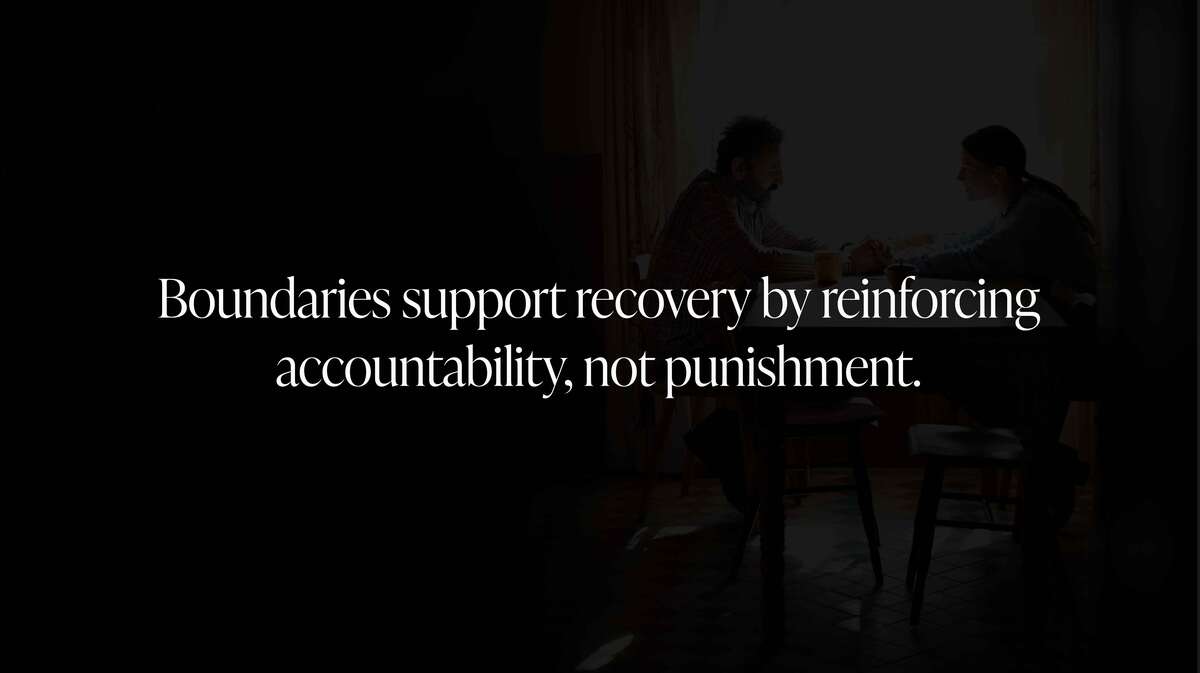
People in recovery benefit from boundaries because they reinforce accountability. Boundaries encourage independence, honesty, and long-term behavior change.
They also demonstrate that loved ones are serious about their own well-being. This helps shift the dynamic from enabling to mutual respect, which supports a healthier recovery environment.
Conclusion
Boundaries are essential for anyone supporting a loved one in recovery. They protect your emotional health and give structure to relationships during a time of significant change. Setting and maintaining clear, respectful limits helps both you and your loved one move forward in a sustainable way.
Resources like aftercare services and addiction guidance can help you learn how to set boundaries that support lasting recovery while preserving your own mental and emotional health.