Table of Contents
Chronic pain can be treated without opioids by combining medical strategies, behavioral therapies, and holistic approaches that reduce discomfort while protecting sobriety. Managing pain in addiction recovery is complex because opioids, while effective, carry a high risk of relapse and dependency. Fortunately, non-opioid pain management methods have shown strong results, especially when used in combination.
Why Opioids Are Risky During Recovery
Opioids alter the brain’s reward system. Even small doses can reawaken cravings in people with a history of addiction. Relapse often begins with legitimate prescriptions, especially following surgery or injury.
In recovery, the goal is to manage pain without triggering old patterns. This means avoiding medications like oxycodone, morphine, or hydrocodone unless absolutely necessary and under strict medical supervision.
Heroin addiction treatment often includes support for opioid withdrawal and long-term relapse prevention. Many clients in recovery from heroin or prescription opioids require careful planning for pain management to stay on track.
Non-Opioid Medications for Chronic Pain
Doctors may prescribe a range of non-opioid medications depending on the type and severity of pain. These may include:
- NSAIDs like ibuprofen or naproxen
- Acetaminophen for mild to moderate pain
- Anticonvulsants like gabapentin for nerve pain
- Antidepressants such as duloxetine for chronic musculoskeletal pain
- Topical agents such as lidocaine patches or capsaicin cream
These medications work on different pain pathways without activating opioid receptors. They can be safely used long-term with minimal risk of dependence.
In cases where medication is necessary, physicians experienced in addiction recovery will carefully monitor usage and offer alternatives whenever possible.
Physical Therapy and Movement-Based Recovery
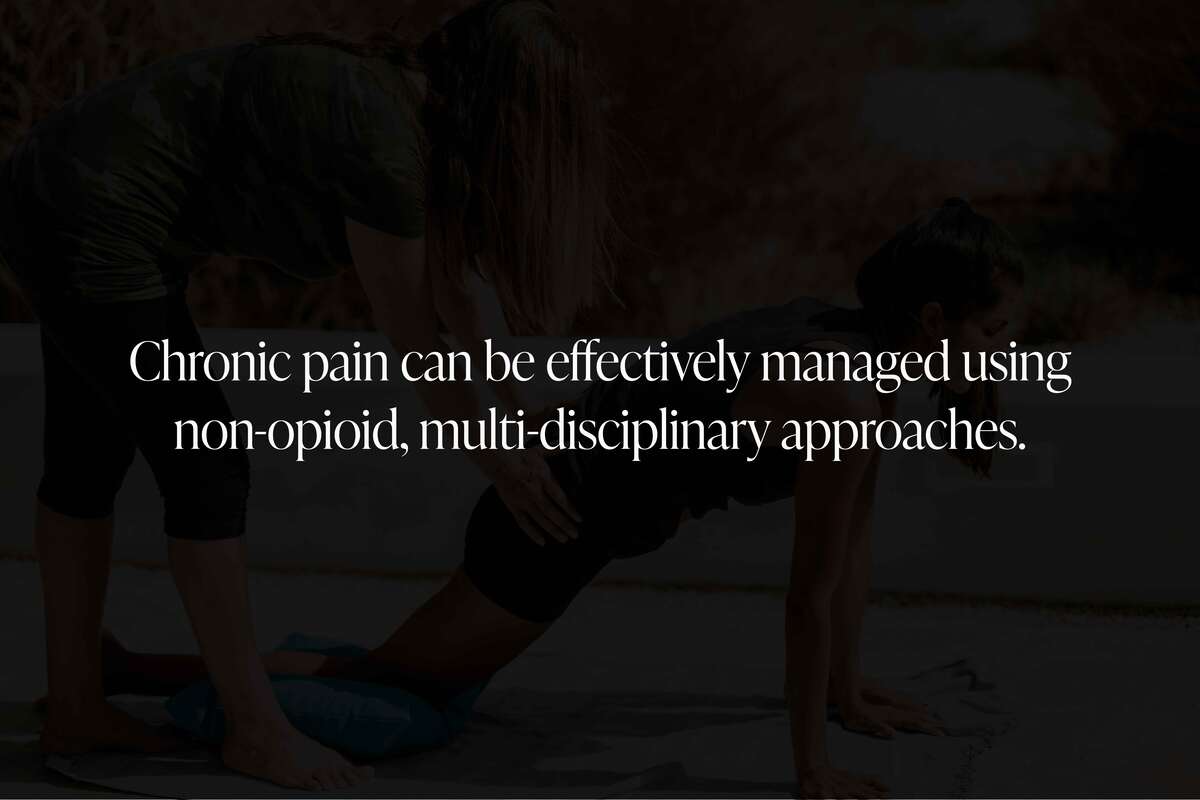
Chronic pain often leads to muscle weakness, stiffness, and poor posture, which can worsen symptoms. Physical therapy addresses these root causes through:
- Stretching and strengthening exercises
- Manual therapy and joint mobilization
- Posture correction
- Guided movement re-education
Regular sessions reduce pain over time and improve mobility without medication. Many people in recovery find empowerment in restoring their physical function naturally.
A structured dual diagnosis treatment program can include physical therapy alongside psychological support to treat pain and addiction holistically.
Behavioral Therapy for Pain Perception
Pain is both physical and psychological. Behavioral therapies like Cognitive Behavioral Therapy (CBT) change how the brain interprets pain signals. These therapies help individuals:
- Identify pain-related thought patterns
- Reduce fear and catastrophizing
- Build confidence in physical activity
- Learn coping strategies for flare-ups
CBT reduces emotional distress and promotes self-efficacy, making pain feel more manageable. It’s especially useful for those with co-occurring anxiety or depression, which amplify the pain experience.
Mindfulness-based approaches also help regulate the nervous system and reduce chronic stress, another major pain contributor.
Alternative Therapies That Support Pain Relief
Several evidence-supported therapies help reduce chronic pain symptoms and promote nervous system balance, including:
- Acupuncture: Stimulates nerves and improves circulation
- Massage therapy: Reduces muscle tension and improves sleep
- Chiropractic care: Relieves joint and spinal discomfort
- Yoga and tai chi: Combine movement with breath control
- Meditation: Reduces perceived pain intensity through relaxation
These therapies are often incorporated into treatment plans and used as ongoing self-care after completing rehab.
Many clients who receive dual diagnosis support benefit from including holistic pain relief in their daily routines as part of long-term recovery planning.
Lifestyle Changes That Reduce Pain Naturally
Pain severity can be reduced through targeted lifestyle changes. Key habits that support pain management include:
- Regular exercise: Promotes circulation, reduces inflammation
- Anti-inflammatory diet: Focus on leafy greens, berries, omega-3s, and turmeric
- Sleep hygiene: Establish consistent sleep routines to reduce fatigue and tension
- Stress reduction: Practice mindfulness, deep breathing, or journaling
- Hydration and posture: Stay hydrated and use ergonomic tools when working
These changes reduce overall body tension, inflammation, and emotional reactivity, which all contribute to chronic pain cycles.
What to Do During Pain Flare-Ups
Flare-ups are common, even with consistent self-care. During these times, it’s important to:
- Stay grounded—remind yourself the pain is temporary
- Use distraction techniques like music, books, or safe social interaction
- Apply hot/cold therapy or topical pain relief
- Reach out to support groups or counselors
- Avoid isolation or impulsive behavior
Having a flare-up plan reduces panic and keeps individuals anchored in their recovery.
How Treatment Centers Support Pain Management Without Opioids
Treatment centers experienced in addiction recovery offer full-spectrum pain support. This includes:
- Medical evaluations and customized medication plans
- Physical and occupational therapy
- Counseling for emotional pain
- Access to non-opioid therapies like massage, acupuncture, or neurofeedback
- Peer support and group therapy
Facilities that specialize in heroin addiction treatment understand the importance of treating physical discomfort without compromising sobriety. Safe, structured care empowers clients to rebuild their lives without relying on addictive substances.
Conclusion
Chronic pain can be treated safely and effectively without opioids in recovery. By combining non-opioid medications, physical therapy, behavioral strategies, and holistic care, individuals can reduce pain and protect their sobriety.
Programs that provide dual diagnosis treatment and heroin addiction support give individuals the tools to live with less pain and more purpose, without returning to harmful substances.