Table of Contents
Crack addiction develops rapidly because crack cocaine produces a faster and more intense high than powder cocaine, one that fades within 5 to 10 minutes and creates an immediate, powerful drive to use again. The route of administration, not a chemical difference between the 2 substances, is what makes crack significantly more habit-forming.
What Is the Difference Between Crack and Cocaine?
Crack and powder cocaine are the same chemical compound in different physical forms. Powder cocaine is typically snorted or dissolved and injected. Crack is cocaine processed with baking soda and water into a solid rock form that is smoked. Understanding how cocaine is made and why it is so addictive provides important context for understanding crack as well.
The critical difference is the speed at which the drug reaches the brain:
- Snorting powder cocaine produces effects in approximately 3 to 5 minutes
- Smoking crack produces effects in 8 to 10 seconds
Speed of onset is one of the strongest predictors of addiction potential for any substance.

Why Does Speed of Delivery Matter for Addiction?
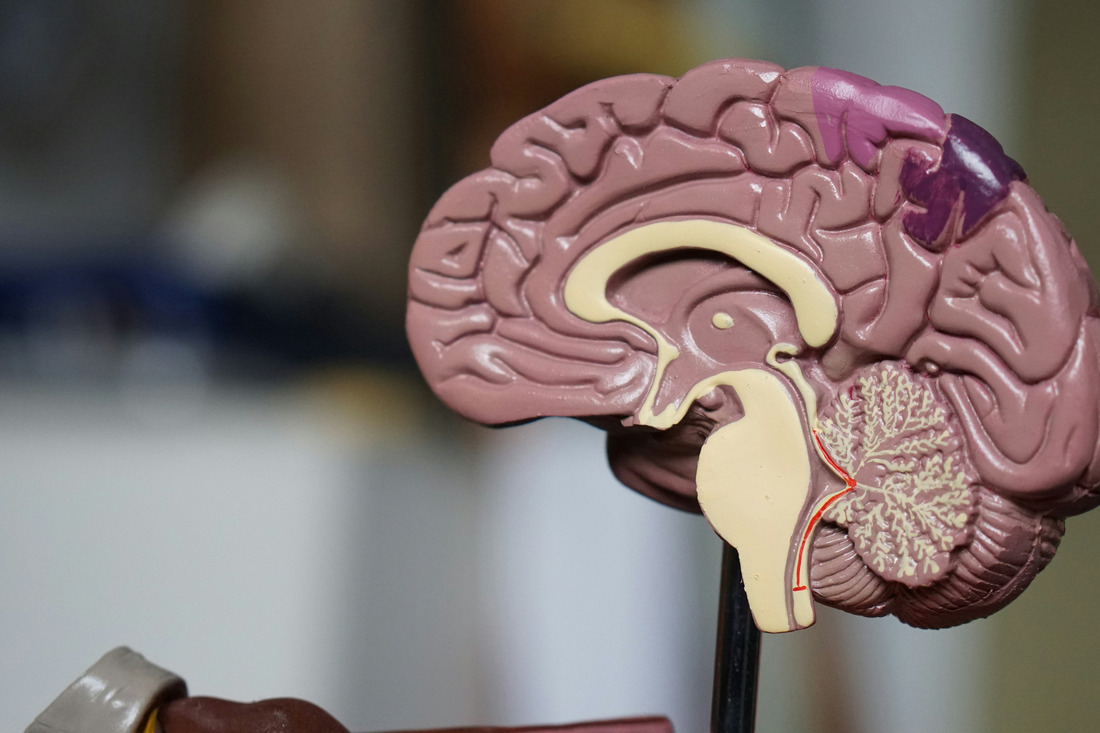
When a substance produces an intense reward almost instantly, the brain forms a powerful association between the behavior and the reward. This conditions the brain to crave the substance compulsively and drives repeated use far more quickly than slower-acting methods of administration.
With crack, the high is not only faster but also shorter than powder cocaine, meaning the cycle of use and craving repeats more frequently within a single session. A person smoking crack may use the drug dozens of times in a single evening. This rapid cycling accelerates both physical and psychological dependence significantly.
Is Crack Use More Common Than Powder Cocaine?
Powder cocaine is used more commonly overall in the United States according to national substance use surveys. Crack use is heavily concentrated in specific communities due to its significantly lower cost per dose. A single dose of crack can cost as little as 5 to 10 dollars, compared to much higher per-gram costs for powder cocaine. This price difference has historically made crack considerably more accessible and more prevalent in lower-income communities, though both forms of cocaine appear across all demographics and income levels.
Are the Health Risks Different Between Crack and Powder Cocaine?
Both forms carry serious health risks including cardiac events, stroke, seizures, and severe psychological effects. Crack carries additional risks specific to smoking:
- Significant lung damage sometimes called crack lung, which can include pulmonary hemorrhage and respiratory failure
- Burns to the lips, mouth, and throat from the pipe or stem used for smoking
- Higher risk of acute overdose due to the unpredictability of doses when smoking
- Greater risk of respiratory infections and chronic lung problems with sustained use
What Are the Psychological Effects of Crack Cocaine?
Crack produces intense but short-lived euphoria followed by an equally intense crash that includes depression, anxiety, extreme fatigue, and powerful cravings. Repeated use causes the brain to form strong conditioned associations between environmental cues and craving. People often report intense cravings triggered by places, sounds, or smells connected to past use, sometimes years after stopping entirely. Recognizing the signs of addiction and when you need help is an important first step toward recovery.
How Is Crack Addiction Treated?
Treatment for crack addiction follows the same evidence-based approach used for cocaine use disorder broadly. The cocaine addiction treatment program at Hollywood Hills Recovery treats both powder cocaine and crack addiction with individualized residential care. Because crack produces such rapid and intense conditioning in the brain, the behavioral therapy component of treatment is especially critical. Patients work with therapists to identify the environmental cues, emotional states, and social situations that trigger cravings, and they develop specific response strategies for each one. For families considering how to approach a loved one, how to stage an effective intervention provides a structured framework for that conversation.