Table of Contents
Transcranial Magnetic Stimulation (TMS) helps with addiction by reducing cravings, stabilizing mood, and regulating brain pathways affected by long-term substance use. TMS uses magnetic pulses to stimulate specific regions of the brain responsible for decision-making, impulse control, and emotional regulation. Understanding how TMS works and when it’s recommended helps individuals decide whether it could support their recovery.
What Is TMS and How Does It Work?
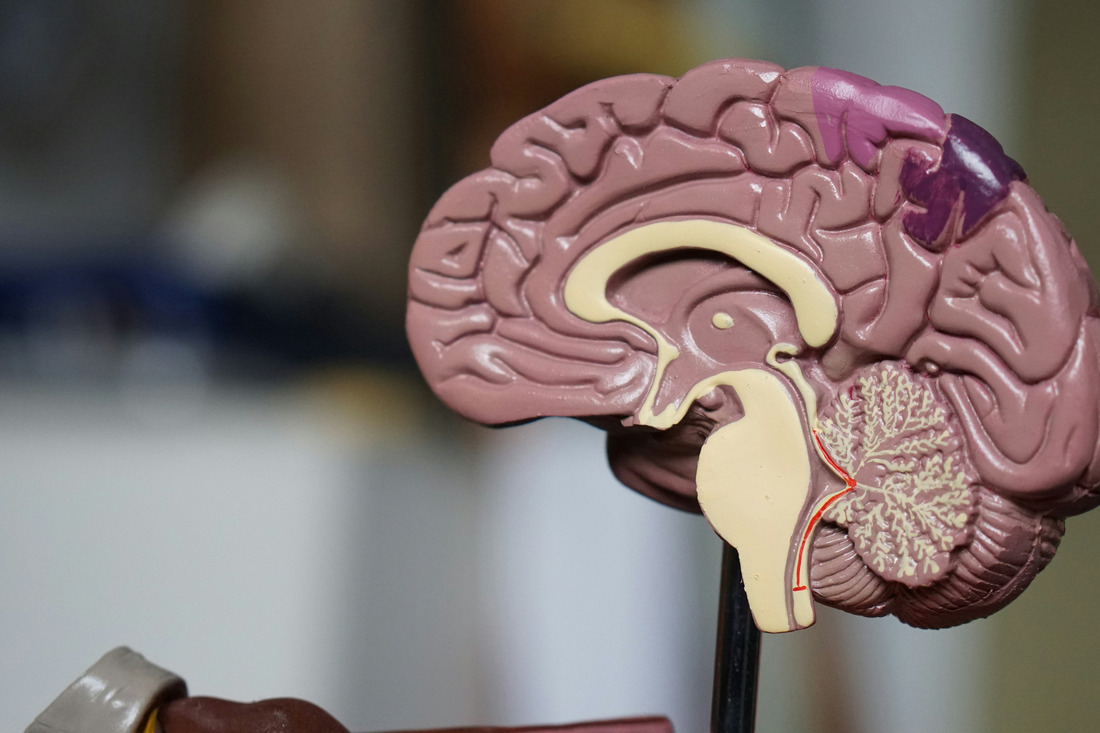
To understand TMS, recognize that it is a noninvasive treatment that uses magnetic fields to stimulate nerve cells in the brain. TMS targets the prefrontal cortex, an area weakened by addiction and chronic substance use. When these neural circuits are underactive, individuals experience cravings, impulsive behavior, and emotional instability.
TMS therapy strengthens these pathways by:
- Increasing neural activity in areas responsible for self-control
- Improving communication between brain regions
- Boosting neurotransmitters like dopamine and serotonin
- Reducing the brain’s reliance on addictive substances
These changes support long-term recovery and complement evidence-based treatment plans.

How Does TMS Reduce Cravings?
To understand craving reduction, consider how addiction affects the brain’s reward system. Substance use overstimulates dopamine pathways, making cravings intense and difficult to control. When substances are removed, these pathways become underactive, leading to emotional discomfort and stronger urges.
TMS reduces cravings by:
- Normalizing dopamine levels
- Restoring balance in reward-related circuits
- Strengthening decision-making centers
- Lowering impulsive responses during stress
These effects make cravings more manageable during early and long-term sobriety.
Can TMS Improve Mood and Emotional Stability?
To evaluate mood benefits, look at how TMS regulates neurotransmitters associated with depression and anxiety. Many individuals in recovery experience emotional instability due to long-term chemical changes in the brain. TMS helps stabilize these systems without medication.
Mood improvements include:
- Reduced anxiety
- Fewer depressive episodes
- Improved motivation
- More consistent emotional responses
- Better stress tolerance
These benefits strengthen the foundation needed for long-term sobriety.
Who Is a Good Candidate for TMS in Addiction Treatment?
To identify ideal candidates, focus on individuals who have completed detox and need additional neurological support to maintain recovery. TMS is often recommended when cravings, mood disorders, or relapse patterns persist despite standard therapy.
Good candidates include people who:
- Struggle with chronic relapse
- Experience severe cravings
- Manage co-occurring depression or anxiety
- Prefer non-medication treatment options
- Need help stabilizing brain function post-detox
- Have not responded well to traditional therapy alone
Evaluating candidacy through a TMS therapy consultation helps determine if the treatment is appropriate.
How Is TMS Used in Holistic Addiction Treatment?
To integrate TMS effectively, treatment centers combine it with counseling, behavioral therapy, and structured support. TMS does not replace therapy; instead, it enhances the brain’s ability to engage in recovery work.
TMS contributes to holistic recovery by:
- Improving focus and clarity
- Increasing emotional resilience
- Strengthening participation in therapy
- Supporting long-term behavior change
- Enhancing the ability to apply coping strategies
Programs that offer alternative therapy place TMS alongside mindfulness, nutrition support, and behavioral interventions to improve outcomes.

What Does a TMS Session Feel Like?
To understand the experience, know that TMS is pain-free and requires no anesthesia. During treatment, a magnetic coil is placed near the scalp, and individuals feel tapping sensations as the device delivers magnetic pulses. Sessions typically last 20–40 minutes.
Common sensations include:
- Light tapping on the forehead
- Mild scalp discomfort
- Muscle twitching near the eyebrow
Most people return to normal activities immediately after treatment.
How Long Does It Take to See Results from TMS?
To track progress, understand that improvements often appear gradually. Many individuals notice changes within 2–3 weeks, while others experience significant benefits after 4–6 weeks of consistent sessions.
Typical treatment timeline:
- 1–2 weeks: Improved mood and decreased irritability
- 3–4 weeks: Reduced cravings
- 6+ weeks: Stronger emotional regulation and clearer thinking
Long-term benefits continue with ongoing participation in structured recovery programs.
What Are the Risks or Side Effects of TMS?
To evaluate safety, consider that TMS is FDA-approved and widely used for depression and addiction support. Side effects are typically mild and temporary.
Possible side effects include:
- Headaches
- Scalp discomfort
- Facial muscle twitching
- Lightheadedness
Serious complications are rare but should be discussed during a consultation.
How Does TMS Fit Into Long-Term Recovery Planning?
To integrate TMS effectively, individuals should combine it with behavioral therapy, support groups, healthy routines, and relapse-prevention strategies. TMS strengthens the brain’s ability to respond to these tools.
Long-term integration includes:
- Regular therapy sessions
- Continued participation in recovery communities
- Stress-management routines
- Healthy diet and exercise
- Avoiding high-risk environments
This combination reinforces neurological and behavioral progress.
Final Takeaway
TMS helps with addiction by reducing cravings, stabilizing mood, and strengthening brain circuits responsible for decision-making and emotional resilience. While not a standalone cure, TMS enhances outcomes when paired with behavioral therapies, accountability, and structured recovery programs. Through TMS therapy, alternative therapy, and licensed clinical support, individuals gain a powerful tool that supports long-term sobriety and neurological healing.